


Many brands choose to manage influencer marketing on their own instead of working with an agency. This approach gives more control over who you work with, how campaigns are structured, and how budgets are used. While agencies can simplify the process, they are not required to run effective campaigns.
With the right method, it is possible to find relevant influencers, evaluate them properly, and build direct relationships. The process takes time, but it allows for more flexibility and a clearer understanding of what works.
Can You Find Influencers Without an Agency
Finding influencers without an agency is not only possible, but common. Many small and mid-sized brands handle this process internally, especially when budgets are limited or when they want to keep communication direct.
Why Brands Skip Agencies
One of the main reasons is cost. Agencies often charge fees on top of campaign budgets, which can limit how much is spent on actual collaborations. By working directly with influencers, brands can allocate more of their budget to creators.
Another factor is control. Managing influencer relationships in-house allows brands to choose creators more carefully and adjust campaigns without going through a third party. This can lead to more relevant partnerships and faster decision-making.
Direct communication also plays a role. When brands speak with influencers without intermediaries, expectations are clearer and collaboration tends to be more flexible.
What You Need to Do It Yourself
Handling influencer marketing without an agency requires a structured approach. It starts with having a clear goal, whether that is awareness, traffic, or sales.
It also requires time for research and outreach. Finding the right creators, reviewing their content, and contacting them individually takes effort, especially in the beginning.
Finally, a basic evaluation process is necessary. Without it, it becomes difficult to compare influencers or understand which collaborations are worth repeating.
While this approach requires more involvement, it gives brands full visibility into how influencer marketing works and how results are achieved.
Step-by-Step Process to Find Influencers Without an Agency
Finding influencers without an agency is a structured process. It starts with clarity, continues with research, and ends with outreach. Skipping any of these steps usually leads to poor results.
1. Define Your Goal and Target Audience
Before searching for influencers, it is important to define what you want to achieve. The type of creator you need depends on the goal.
- Awareness focuses on reach and visibility
- Traffic focuses on clicks and visits
- Sales focuses on conversions
At the same time, you need to be clear about who you want to reach. Age, interests, location, and behavior all influence which influencers are relevant. Clear goals make the search more focused and prevent wasted effort.
2. Identify Your Ideal Influencer Profile
Once the goal is defined, the next step is to outline what the right influencer looks like.
- Niche and content type should match your product
- Platform depends on where your audience spends time
- Audience demographics should align with your target market
This step helps narrow the search and makes it easier to filter out irrelevant profiles.
3. Search for Influencers Manually
Manual search is the most common way to find influencers without an agency. It requires time, but it gives full control over selection.
- Hashtag research - Searching niche hashtags helps identify creators already producing relevant content
- Platform search - Using keywords on Instagram, TikTok, or YouTube can surface creators your audience would naturally find
- Check your own followers - Some of your existing followers may already have an audience and be open to collaboration
- Analyze competitors - Looking at who competitors work with can reveal relevant creators in your space
These methods often uncover influencers who are not listed in databases or platforms.
4. Evaluate Influencers Properly
Not every influencer is a good fit. Proper evaluation is necessary before reaching out.
- Engagement rate is more important than follower count
- Content quality should be consistent and relevant
- Audience should match your target group
Smaller creators often perform better in terms of engagement and trust. This makes them a strong option, especially for brands starting out.
5. Find Contact Details and Reach Out
After selecting potential influencers, the next step is outreach.
- Check the bio for email or contact details
- Use direct messages if no email is available
- Keep the message clear and relevant
Effective outreach usually includes a short introduction, a clear offer, and basic expectations. Personalized messages tend to get better responses than generic ones.
This process takes effort, but it allows you to build direct relationships and understand what works in your campaigns.
Tools That Help You Find Influencers Without an Agency
Manual search is effective, but it can quickly become time-consuming as the number of creators and campaigns increases. Reviewing profiles, tracking communication, and comparing results across multiple influencers requires a level of organization that is difficult to maintain without support.
Different types of tools can simplify this process.
- Social media tools help with discovery by surfacing trending content, hashtags, and active creators within specific niches.
- Influencer databases allow you to search and filter creators based on audience size, engagement, location, or content type.
- Outreach platforms help manage communication, track responses, and keep campaigns organized in one place.
Instead of handling everything manually, many brands use an AI influencer marketing platform to search for creators, filter by niche and audience, and organize outreach in a more structured way.
Using tools does not replace the need for evaluation, but it reduces the time spent on repetitive tasks and improves accuracy when selecting and managing influencers.
Best Channels to Find Influencers
Different platforms serve different purposes when it comes to finding influencers. The choice depends on your audience and the type of content you want to promote. In most cases, it is useful to focus on one or two channels where your audience is most active.
Instagram remains one of the most accessible platforms for influencer discovery. Hashtags are a practical starting point, especially when searching within a specific niche. The Explore page can also surface creators who are already performing well in a given category.
Profiles are easy to review, which makes it simpler to evaluate content style, engagement, and audience fit before reaching out.
TikTok
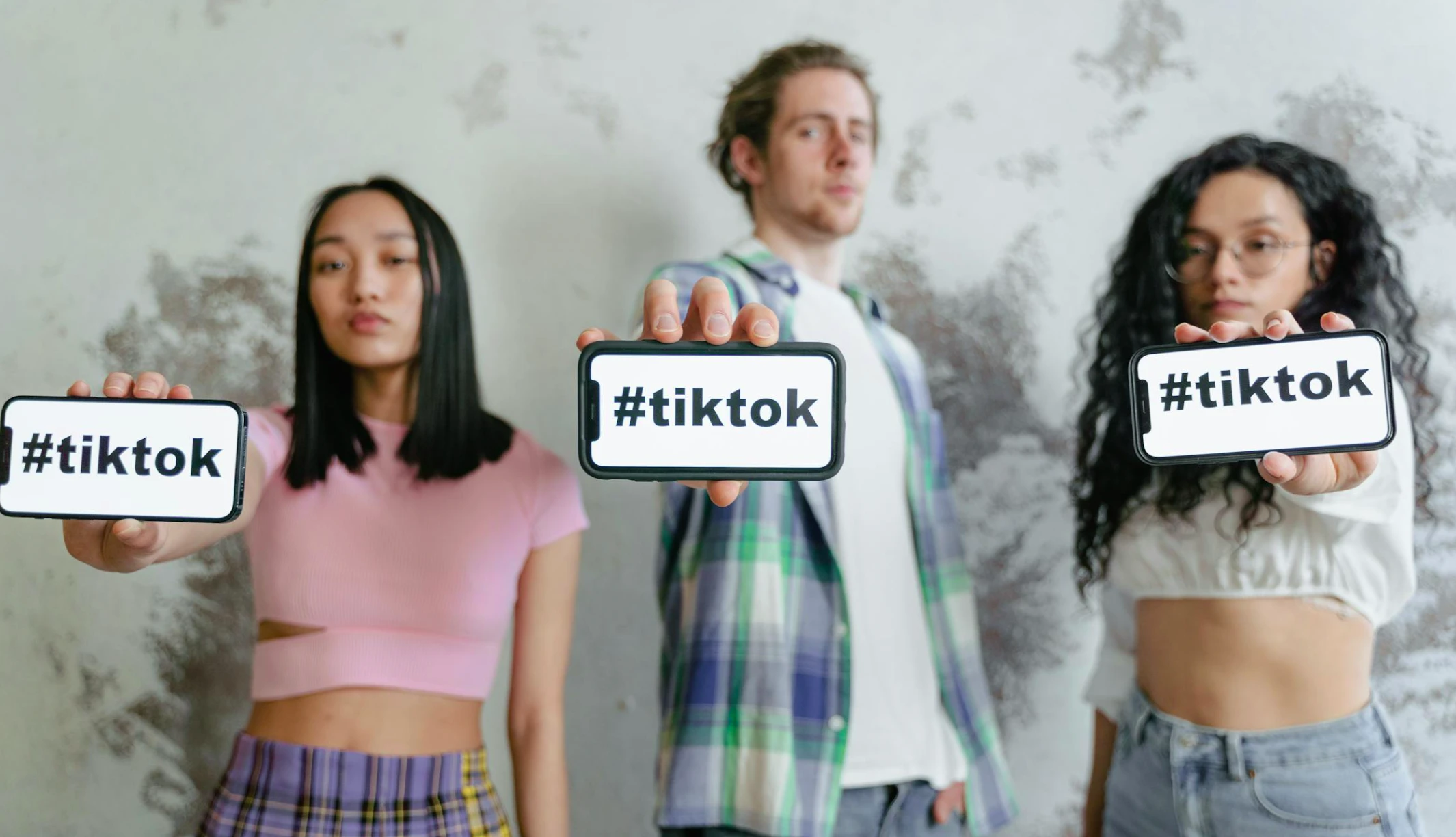
TikTok is driven by trends and algorithm-based discovery. This makes it effective for finding emerging creators who may not yet have large followings but generate strong engagement.
Searching keywords or browsing niche content often leads to relevant creators quickly. Because content spreads fast, TikTok is particularly useful for identifying influencers early.
YouTube
YouTube works differently from other platforms because it is search-driven. People look for specific topics, reviews, or tutorials, which makes it easier to find creators in defined niches.
This platform is especially useful for deeper content, where creators provide detailed insights, walkthroughs, or long-form explanations.
Blogs and Google Search
Not all influencers are active primarily on social media. Some creators build their audience through blogs or websites, especially in niches that rely on written content.
Searching through Google can reveal these creators. They often have strong authority in their field and can be valuable partners, particularly for SEO-driven collaborations or long-form content.
Pros and Cons of Finding Influencers Without an Agency
Working without an agency gives more control over the process, but it also requires more time and structure. Understanding both sides helps set realistic expectations.
Advantages
Handling influencer marketing in-house reduces costs. Instead of paying agency fees, the budget can be used directly for collaborations. This makes it easier to test different creators and approaches.
It also allows for direct relationships with influencers. Communication is clearer, feedback is faster, and partnerships can be adjusted without going through intermediaries. Over time, this can lead to stronger and more consistent collaborations.
Another advantage is flexibility. Campaigns can be adapted quickly based on performance, without waiting for external coordination.
Challenges
The main drawback is the time required. Searching for influencers, reviewing profiles, and managing outreach takes consistent effort, especially as campaigns grow.
Scaling can also be difficult. As the number of creators increases, it becomes harder to keep track of communication, deliverables, and results without a structured system.
Finally, organization becomes essential. Without clear processes for evaluation, outreach, and tracking, it is easy to lose oversight and miss opportunities for improvement.
Common Mistakes to Avoid
When finding influencers without an agency, most issues come from skipping basic checks or rushing the process. These mistakes reduce effectiveness and make it harder to see consistent results.
-
Choosing influencers based only on follower count: A large following can look appealing, but it does not guarantee results. If the audience is not relevant, visibility does not translate into engagement or conversions. Relevance and content fit are more important than size.
-
Not checking engagement or audience quality: Follower numbers alone do not show how active or genuine an audience is. Low engagement or mismatched audience interests often lead to poor campaign performance. Reviewing comments, likes, and content interaction gives a clearer picture.
-
Sending generic outreach messages: Copy-paste messages are easy to ignore. Influencers receive many requests, and generic outreach signals low effort. Personalized messages that reference the creator’s content are more likely to get a response.
-
Expecting quick results: Influencer marketing rarely delivers immediate outcomes, especially when starting from scratch. Audiences need time to recognize and trust a brand. Repeated exposure and consistent collaboration usually lead to better results.
- Poor tracking and follow-up: Without tracking, it is difficult to understand what worked. Missing follow-ups can also lead to lost opportunities. Keeping basic records of outreach, responses, and performance helps improve future campaigns.
Avoiding these mistakes creates a more stable process and increases the chances of building effective, long-term collaborations.
Conclusion
Finding influencers without an agency is a practical approach for brands that want more control and flexibility. While the process requires time and structure, it allows for direct relationships and a clearer understanding of what drives results.
Success depends on doing the basics well. Clear goals, careful selection, and consistent outreach make a larger difference than tools alone. Over time, the process becomes more efficient as you learn which creators and formats work best.
Rather than trying to move quickly, it is more effective to build a steady system. With the right approach, finding and working with influencers independently can become a reliable and scalable part of your marketing.
Written by
Affbank Team
Hey there! We combined years of experience, a ton of enthusiasm and our hunger for knowledge to give you the best that we can - Affbank. Leave a comment or reach us by email support@affbank.com